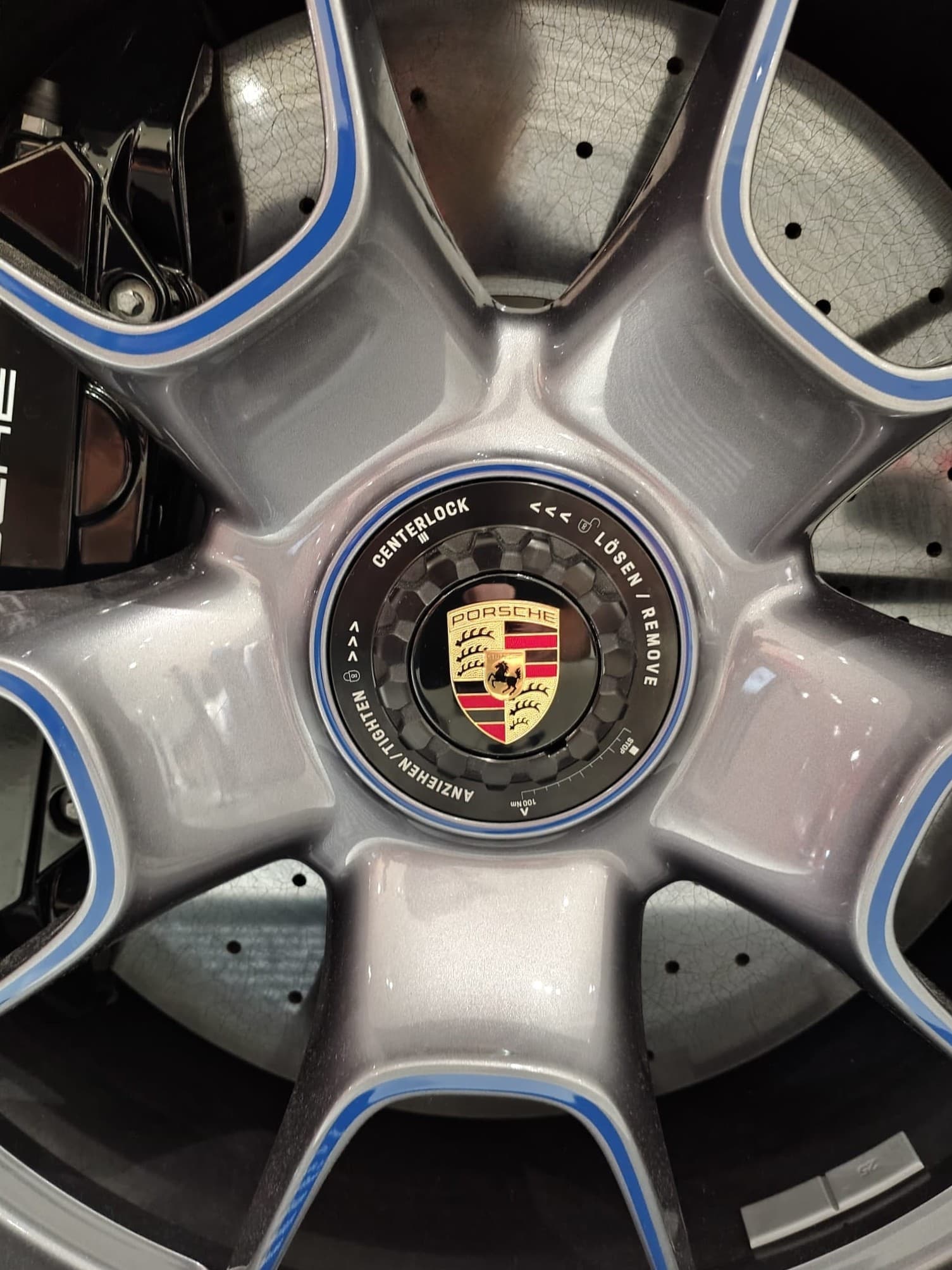
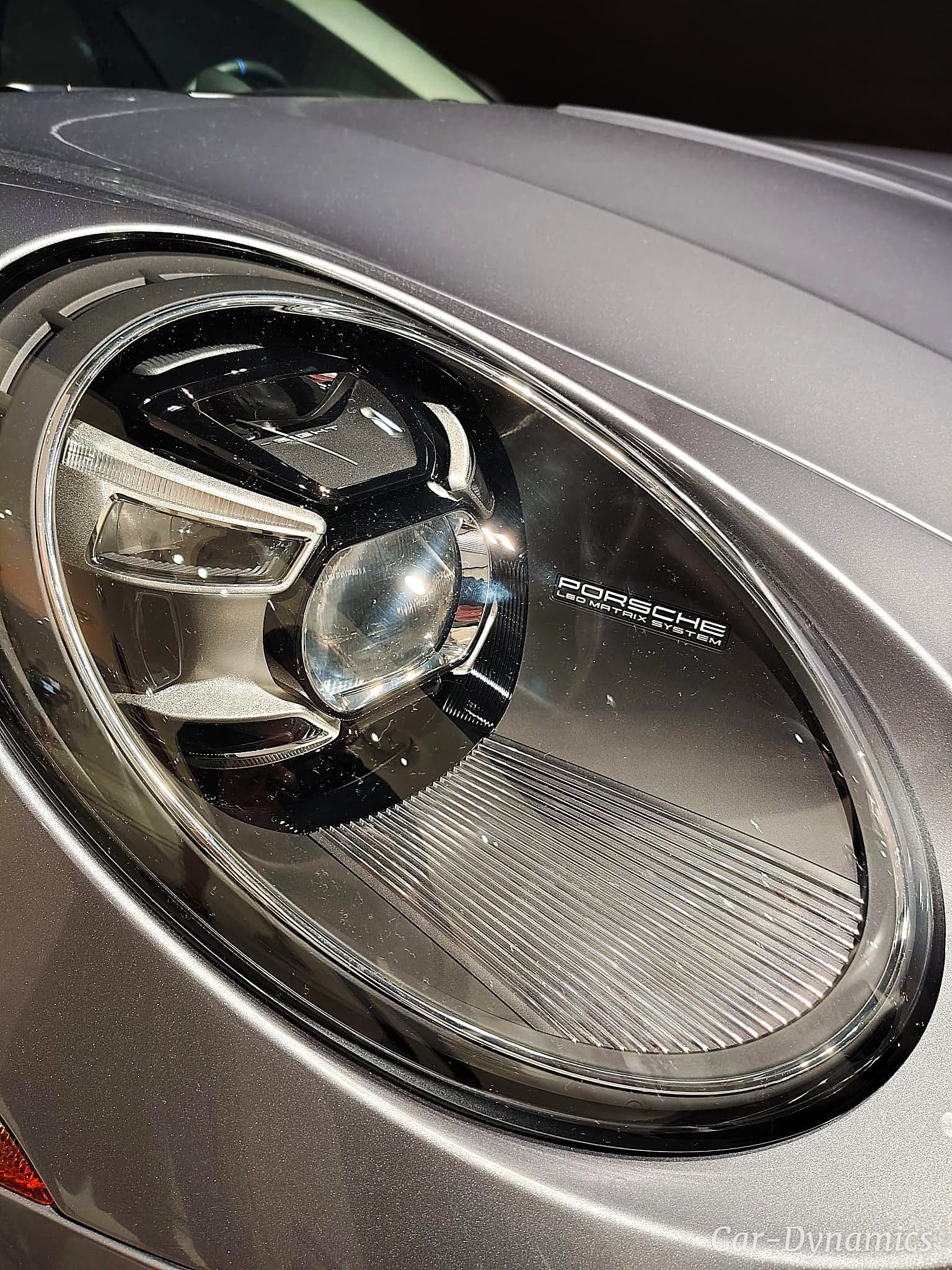
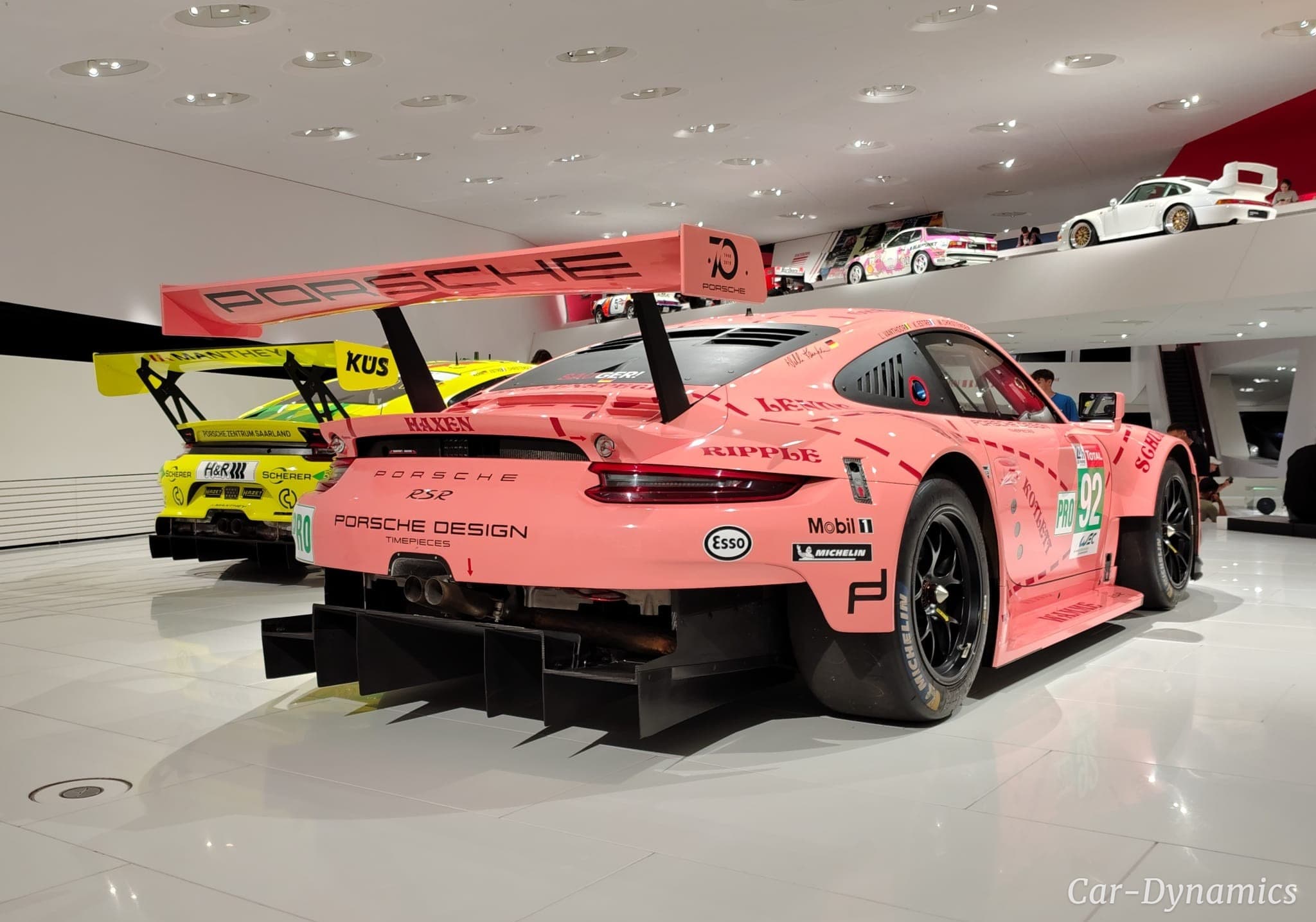
Going to Stuttgart under the pretext of beer and ending up at the Porsche Museum
Lorenzo Pollini · 8/25/2026 · 6 views
There are at least three good reasons to spend a few days in Germany. Two of them have a common denominator: an alcoholic beverage made by fermenting barley malt and cereals, which you have almost certainly heard of before. The third, however, has four wheels, a powertrain, and a prancing horse adorning its bonnet.
If you are a car enthusiast, Stuttgart is one of those cities that will inevitably find its way onto your list sooner or later. The capital of Baden-Württemberg and one of Germany’s most important industrial centres, it is also something of a promised land for anyone with a soft spot for German sports cars.
The name Stuttgart derives from Stutengarten and has its roots in the city’s tradition of horse breeding. An animal that still appears on the city’s coat of arms today and that, centuries later, would also end up on the bonnet of one of the world’s most celebrated car manufacturers: Porsche.
In Zuffenhausen, in the northern part of the city, you will find the historic headquarters of the brand as well as the Porsche Museum. Opened in 2009
Petrolhead
Porsche
Museum automotive
Carrera GT
Stoccarda
GT3RS
, the latter has already welcomed almost
6 million visitors
and hosted around
2,000 events
. Impressive figures, certainly, but enough to show just how much this building has become an
almost obligatory destination for enthusiasts
. And the visit begins even before you walk through the entrance.
From several hundred metres away, you can make out the three pillars twisting upwards to a height of 24 metres, each topped by a 911 from a different generation. It is difficult to imagine a more effective calling card: Porscheplatz, three 911s suspended in mid-air, and the certainty that you have arrived at the right place.
Then there is the car park. And even here, you can already tell that this is not an ordinary museum.
As you head down into the underground parking area, it is easy to find yourself surrounded by some rare German performance cars or, with a little luck, a Porsche; some spaces are reserved exclusively for owners. It is a small preview of what awaits just a few metres further on — or rather, a few floors above.
Inside, the Museum’s modern and elegant architecture guides visitors through the history of the brand. It is not simply a succession of cars, however: it is a journey through the technical and stylistic evolution of Porsche. It starts a long way back, with the 1898 Egger-Lohner C2 Phaeton, the oldest surviving automotive design by Ferdinand Porsche and, above all, an electric car. Yes, you read that correctly: he was a genuine pioneer of this technology. Many years later, his company would find rather noisier ways of making us happy — for example, by placing a flat-six engine behind the rear axle of a 911 GT3 RS.
Back to the Museum: alongside the countless evolutions of the 911, there are prototypes, racing cars, powertrain components, historic photographs, and period documents. Everything that helped build the reputation of the brand has its place here — before even socks with sandals became fashionable.
I could go on telling you about the thrill of standing in front of the Porsche 919 Hybrid, winner of the 2017 24 Hours of Le Mans, still displayed with the scars and rubber residue left over from the battle, or about the V10 engine of the Carrera GT, displayed in all its unapologetic glory.
But I would rather not say anything more.
And that is because the Porsche Museum is one of those places that, at least once, is worth experiencing in person — perhaps somewhere between a pretzel and a bratwurst.