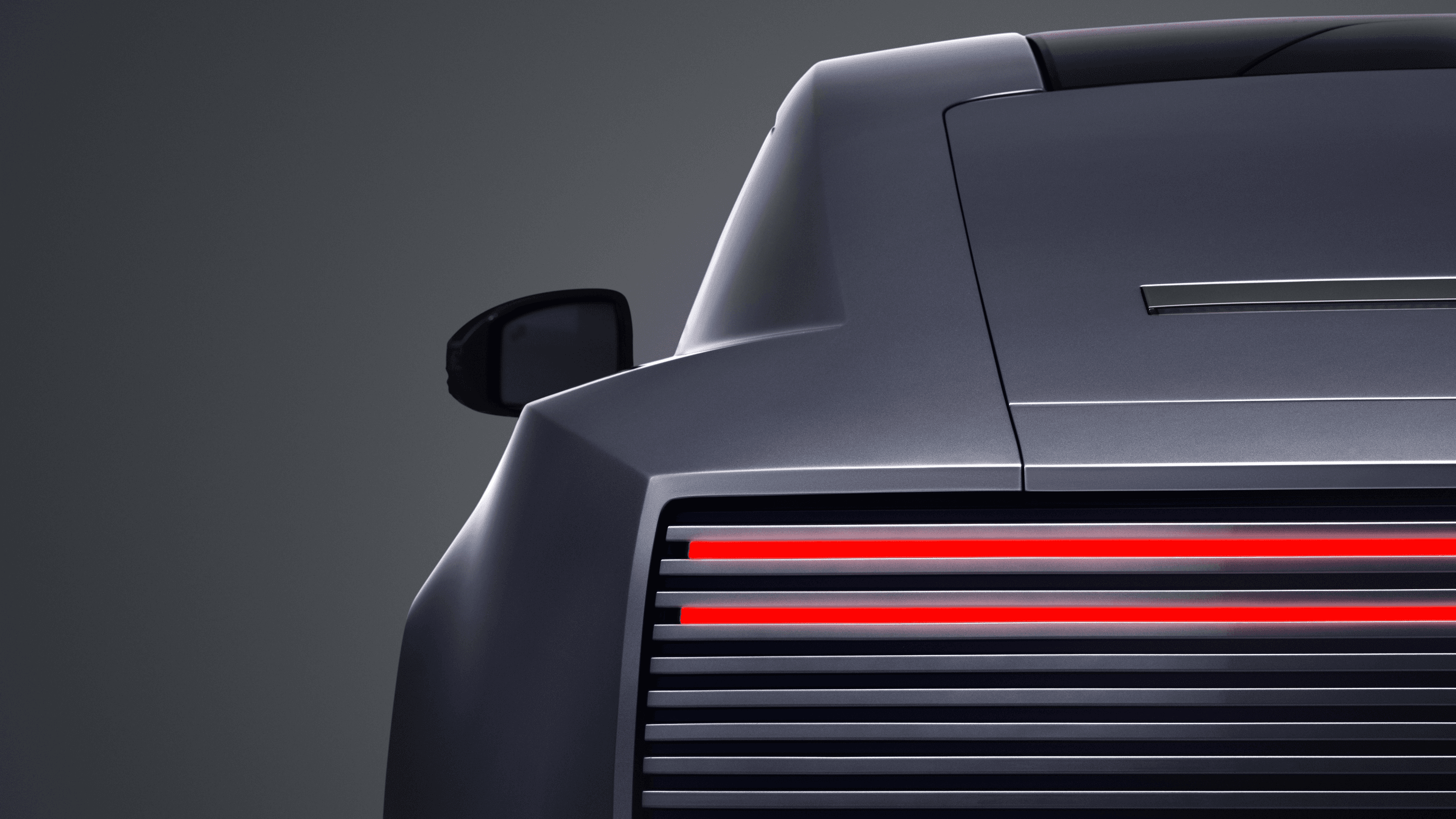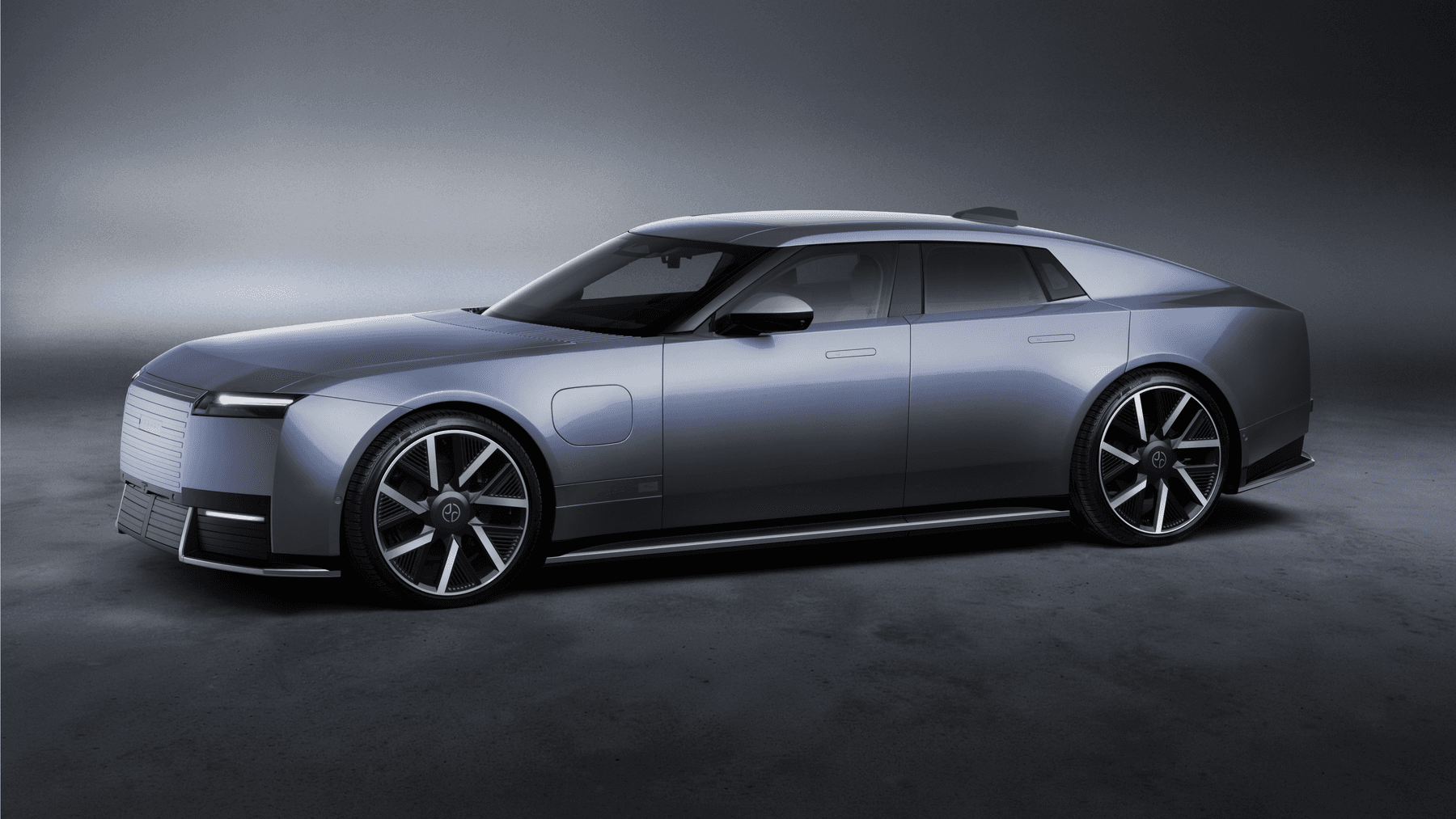
Plenty of power, but a heavy legacy. On paper, the proportions promise drama; in the flesh, at least in terms of styling, the result is less convincing. The Type 01 is imposing, distinctive and certainly far removed from any attempt to play it safe or reassure the public
Lorenzo Pollini· October 9, 2026
1 / 51,030 PS, 1,365 Nm, three electric motors and a 0–100 km/h sprint in 3.2 seconds. Numbers that, when read on a spec sheet, hit like a bucket of ice-cold water. The new Jaguar Type 01 is officially the most powerful road-going Jaguar ever built. And, at least on paper, one of the most sophisticated, too.
The problem is that Jaguar has never been just about numbers.
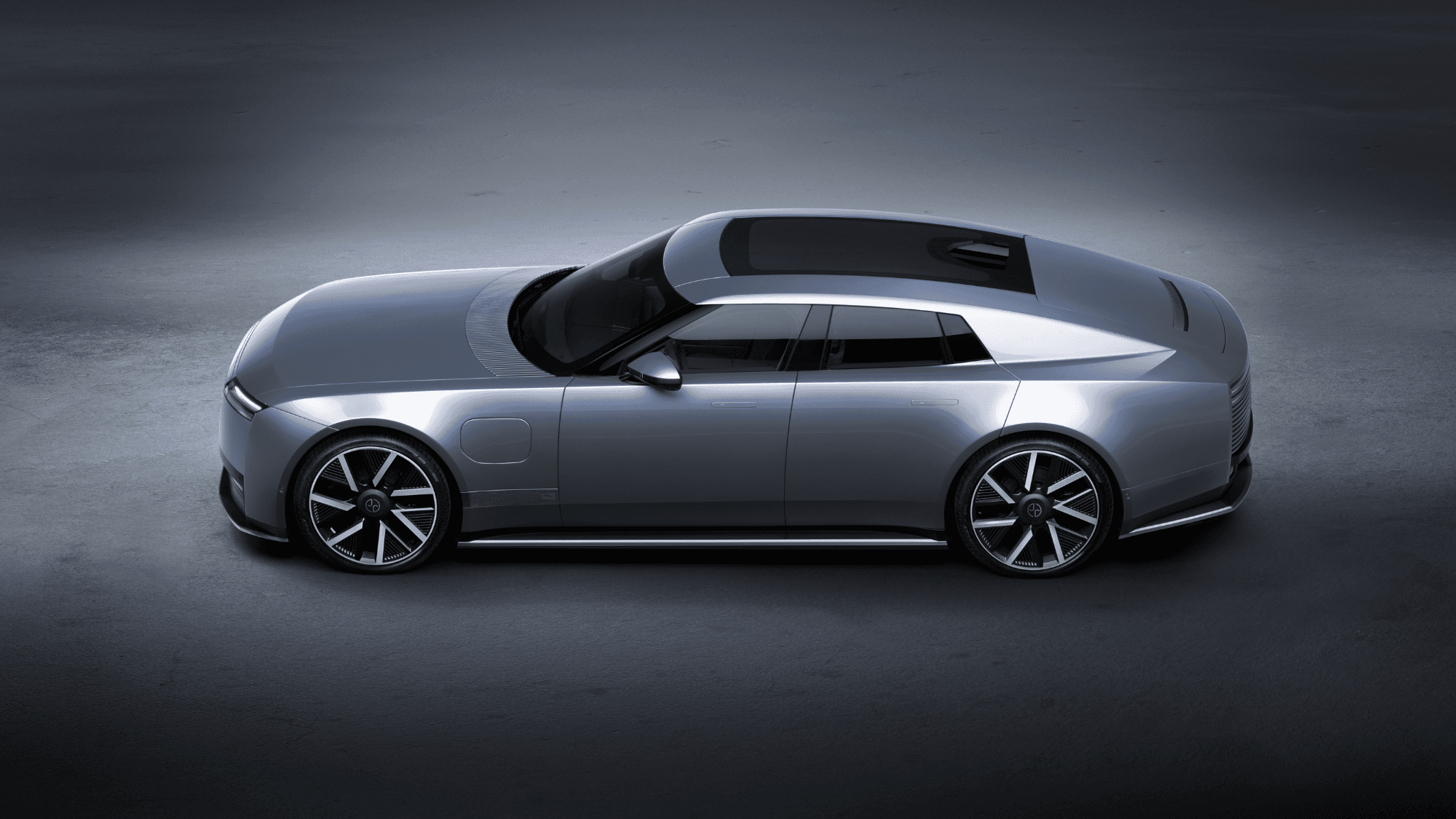
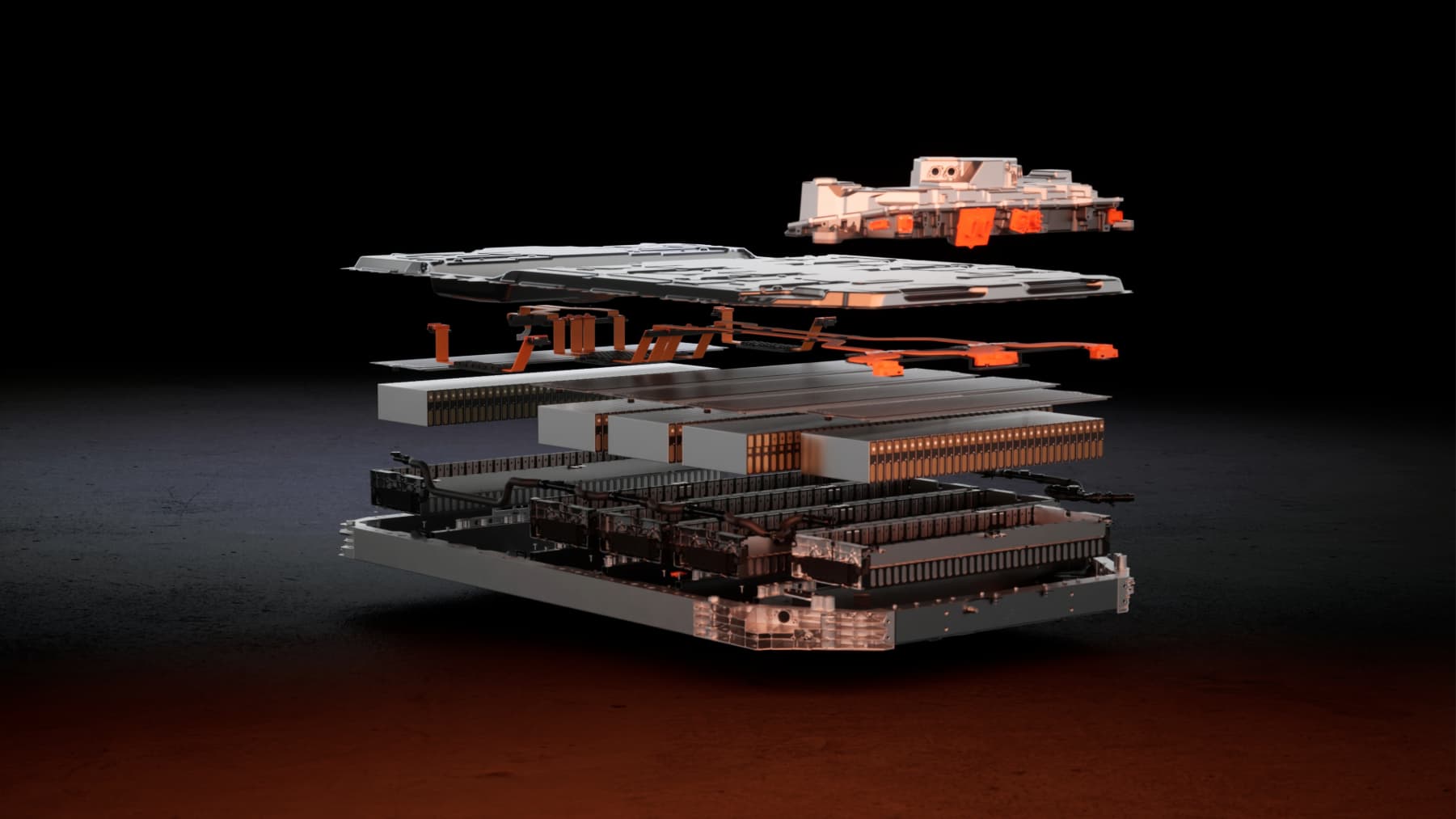
Unveiled in New York as the first chapter in the brand’s new era, the Type 01 is an all-electric four-door GT measuring over 5.2 metres in length, built around an 850-volt architecture, with a 118 kWh battery and a claimed WLTP range of up to 720 km. Its JEA platform is a small engineering manifesto: 50:50 weight distribution, three motors, four-wheel steering, active air suspension and torque vectoring with response times measured in milliseconds.
A seemingly endless bonnet, a set-back cabin, sculpted flanks, a low roofline and that luxury gap — the distance between the centre of the front axle and the front door — stretching to a substantial 898 millimetres, in a clear nod to the E-Type. On paper, the proportions promise drama; in the flesh, at least in terms of the design intent, the result is less convincing. The Type 01
And yet, this is precisely where the uncomfortable question arises.
How far can Jaguar reinvent itself before it stops being Jaguar?
The British marque built a huge part of its legend around engineering and the shapes that mechanical ingenuity made possible. The E-Type, however, did not go down in history simply because it was beautiful: beneath that bonnet sat an inline-six capable of turning beauty into speed. Then came the V12, which powered the E-Type Series 3, the XJ and the XJ-S. Jaguar built more than 160,000 cars equipped with its V12, an engine that even became associated with victories at Le Mans.
Today, the brand that for decades embodied a certain ideal of Britishness — somewhere between five o’clock tea, aristocratic elegance and engines capable of roaring well beyond the bounds of good manners — has chosen an entirely new path: the electric one. A bold decision, without a doubt. But an extraordinarily risky one, too.

Because an electric motor can be quicker, more efficient and infinitely more sophisticated than a V12. It can deliver 1,030 PS without even raising its voice. It can send torque to the right wheel in a millisecond. It can turn a 5.2-metre GT into something that, at least according to the claimed figures, accelerates like a supercar.
But power expressed as a number is not emotion.
A V12 does more than impress you when you look at the stopwatch. It draws you in before the car has even moved. The idle coming to life, the vibration travelling through the chassis, the throttle response, the sweep of the rev counter, the sound changing as the engine climbs towards the redline. It is physics turned into theatre.
The Type 01, by contrast, can even accelerate from 100 to 180 km/h in four seconds. It is brutally fast. But the thrill it delivers will inevitably be different.
The new direction had already emerged with the Type 00 and the brand’s radical repositioning, abandoning its previous approach in favour of a far more exclusive image and a range of high-end electric cars. A transformation that has inevitably divided the public.

Jaguar’s problem is not proving that electric power can be fast. With 1,030 PS, anything less would be almost embarrassing. The real challenge is proving that it can be desirable — that behind the silent surge of acceleration and the avalanche of torque, there is still something capable of setting a Jaguar apart from any other luxury electric GT.
The Type 01 has all the numbers needed to impress. But winning people over is another matter entirely. And for a brand that has made emotion an essential part of its identity, that is precisely where the battle will be won or lost.