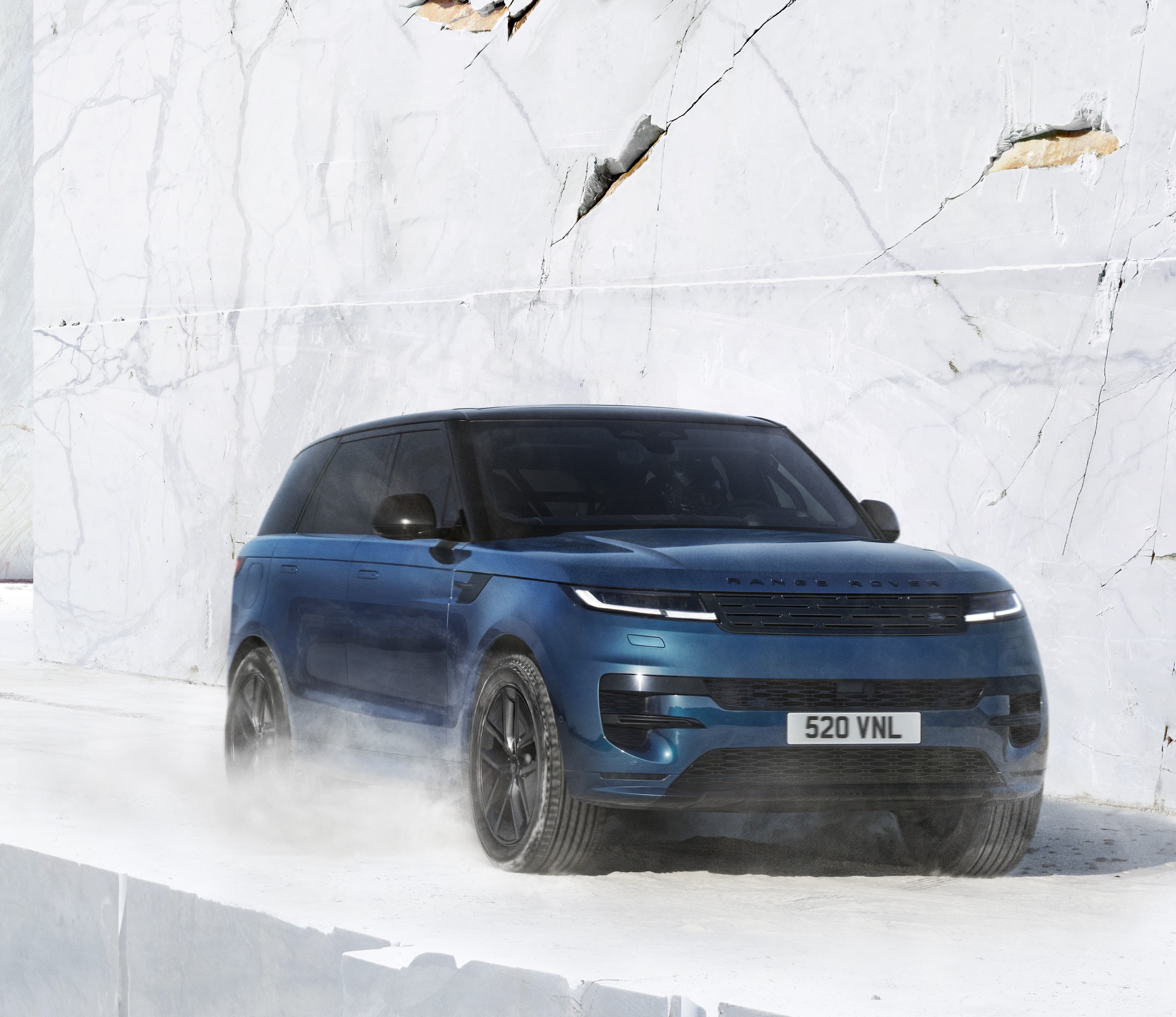
A difficult concept to prove, rather like convincing us that a plant-based steak could replace a beautifully marbled Wagyu as if nothing had changed
Lorenzo Pollini· October 1, 2026
1 / 4Ketchup on pasta and pineapple on pizza: history is full of questionable choices – at least for us Italians. From today, there is also a fully electric Range Rover Sport.
Yes, you read that correctly. The Range Rover Sport has adapted to the times. And, judging by the numbers, it has decided to do so with some considerable force: beneath the bodywork sit two electric motors producing 260 kW, 550 PS and a mighty 850 Nm of torque. All of it, instantly. More than the power delivery of an SUV, it sounds like a Boeing 737 during its take-off run.
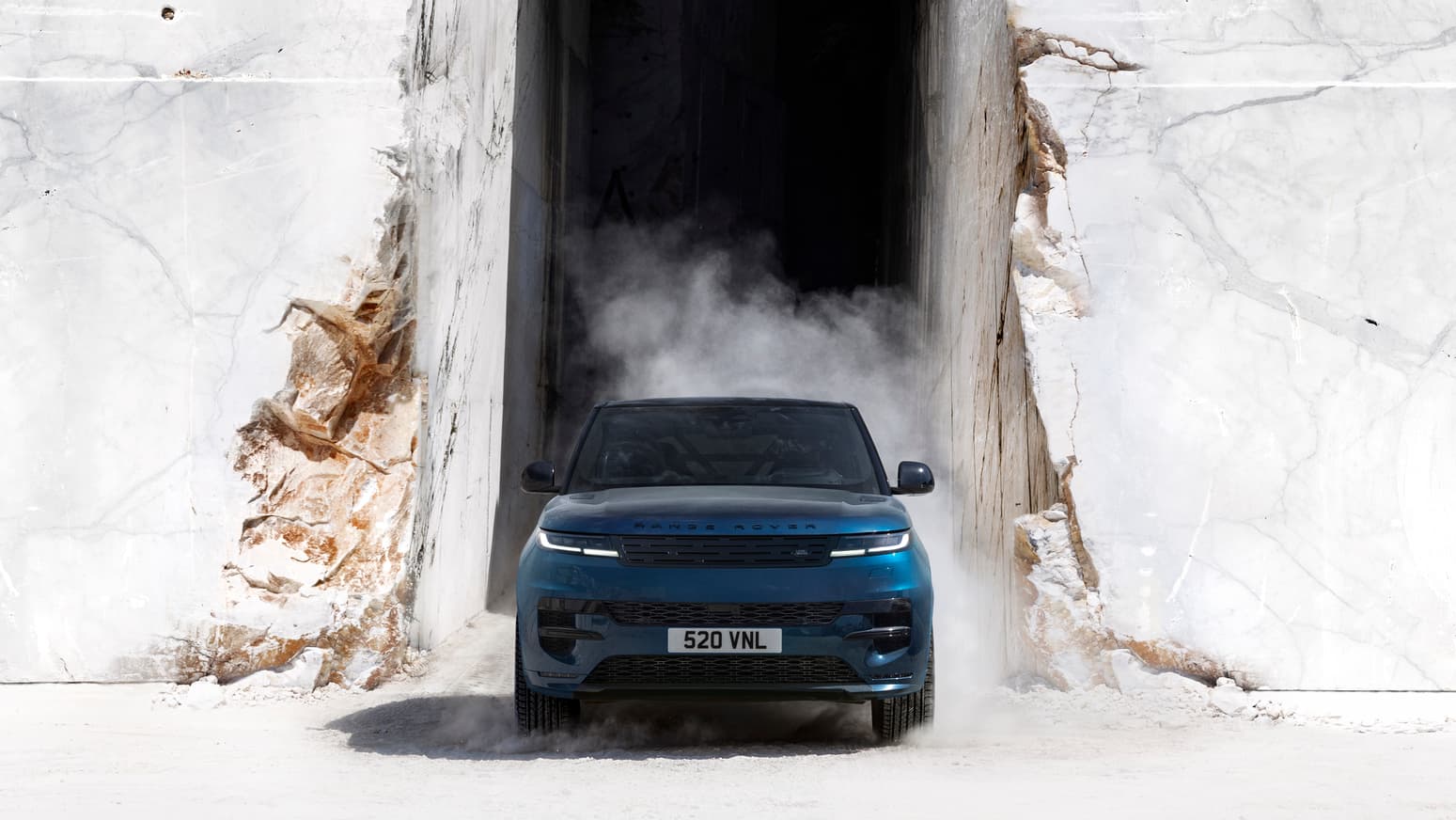
The curious thing is that JLR does not appear to have designed this Sport simply to convince us that electric power is more efficient. No. It has decided to prove that it can also be fun. A difficult concept to demonstrate, rather like convincing us that a plant-based steak can replace a beautifully marbled Wagyu and nobody would notice.
The body is 61% stiffer than the PHEV versions, the centre of gravity is 73 mm lower, and torque management is 50% faster than in the Range Rover Electric. The result is a 0–62 mph time shorter than the time it probably takes you to take a screenshot on your phone: 4.5 seconds with Dynamic Launch.
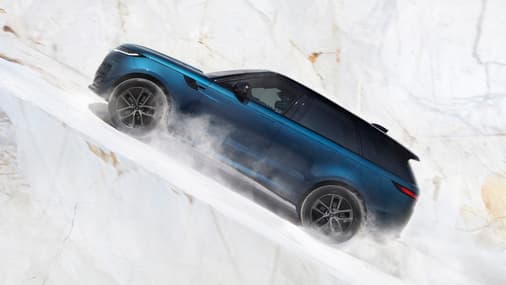
And JLR wanted to prove that the first fully electric Range Rover Sport must, above all, remain a Range Rover Sport. So it did not take it to a perfectly smooth racetrack, nor to the car park of a shopping centre. It sent it to the Carrara marble quarries, 914 metres above sea level, through dust, hairpins and gradients of up to 45 degrees.
Air suspension, Adaptive Dynamics, twin-valve dampers, four-wheel steering and Electronic Active Roll Control all work together to keep the beast in check. The eARC system can apply up to 1,400 Nm of force to each axle, while Adaptive Dynamics monitors 100 parameters 500 times per second. In other words, while you are still trying to decide which restaurant to book for Saturday night, the Range Rover has already analysed the situation 500 times and has probably chosen the table and the wine as well.
Then there is the virtual all-wheel-drive system, designed to allow the Sport Electric to retain the all-terrain capabilities for which Range Rover has built its reputation. Gradients of up to 45 degrees and a 900-millimetre wading depth.
Nine hundred millimetres. To really understand how much that is, get up, walk into your kitchen and look at the height of your worktop. Yes, you will probably look completely insane. But at least you now have a point of reference – or just slightly less.
The 118.5 kWh battery promises up to 609 km of WLTP range, while the 800-volt architecture allows up to 220 km of range to be recovered in just 10 minutes using rapid charging. Interesting figures, particularly considering this is not some small saloon built around its battery pack.

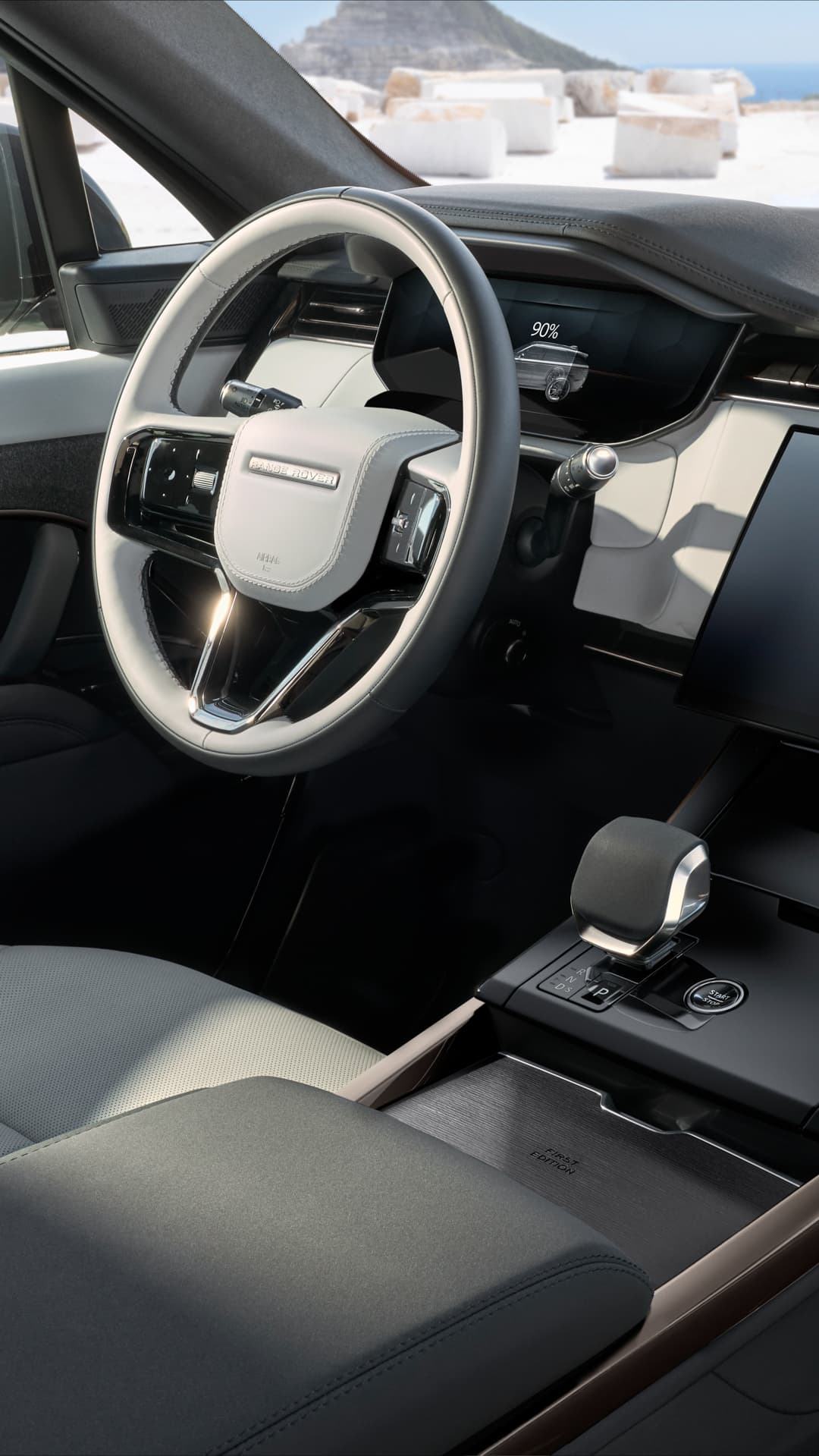
Naturally, there is also the question of sound. Or rather, something that resembles it. After removing the combustion engine, JLR apparently decided that leaving the cabin as quiet as an anechoic chamber might be slightly too traumatic. So it created a specific acoustic signature, designed to accompany the different driving modes.
Because if you cannot hear the V8 or the straight-six, you can at least hear someone who has spent a considerable amount of time designing something to make you forget about it – or miss it.
The Range Rover Sport Electric will be built in Solihull, alongside the PHEV, petrol and diesel versions, and will be available in four specifications. But beyond the numbers, the 550 PS and the 4.5 seconds, the real question is a different one.
Can an electric Range Rover Sport retain, when you press the accelerator, everything that made the Sport an icon?
Because putting 550 PS on a brochure is easy. Convincing someone that an electric car can be engaging is considerably harder.
And to find out, there is something no press release, however enthusiastic, can tell us.
We will have to drive it, without prejudice. Or, more precisely, press the button and see what happens.